
IPP Inquiry #2: Keluarga dalam Relasi Moral, Kewarganegaraan, dan Kebijakan Publik
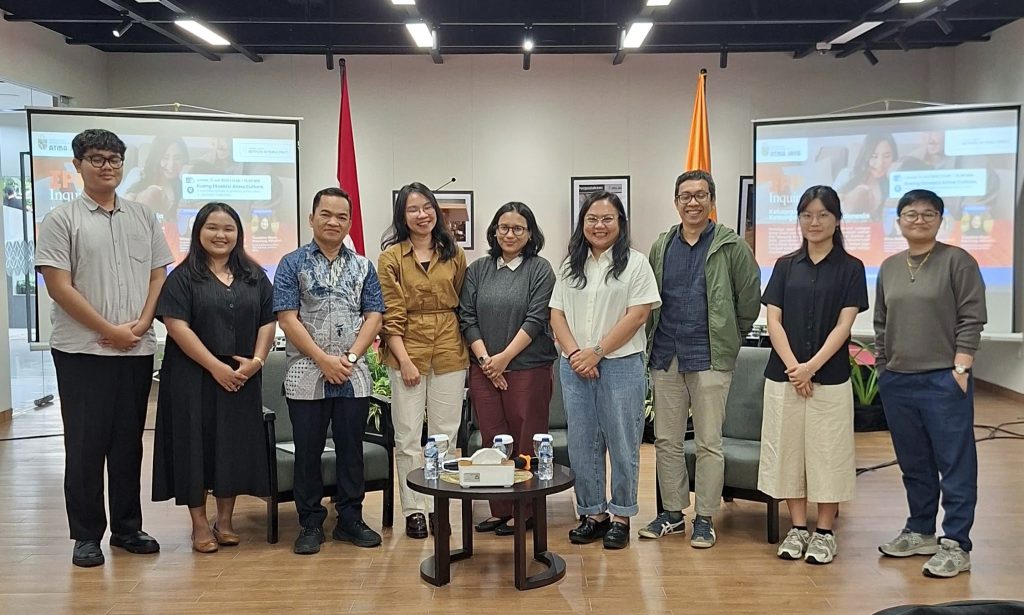
Jakarta — Atma Jaya Institute of Public Policy (AJIPP) kembali menyelenggarakan IPP Inquiry #2 dengan tema “Keluarga, Moral, dan Kewarganegaraan di Indonesia” pada Jumat (31/7), di Ruang Eksebisi Atma Cultura, Universitas Katolik Indonesia Atma Jaya. Diskusi mengulas bagaimana konstruksi keluarga ideal tidak hanya beroperasi dalam ranah privat, tetapi juga berkaitan erat dengan moralitas, kewarganegaraan, dan kebijakan publik di Indonesia. IPP Inquiry #2 dimoderatori oleh Yosephine Uliarta Manurung, M.Pub.Pol., Head of Education Atma Jaya Institute of Public Policy dengan menghadirkan dua pembicara yaitu Mirna Nadia, PhD., Postdoctoral Fellow di Institute for Advanced Research (IFAR) Unika Atma Jaya, dan Dr. Sari Damar Ratri, Postdoctoral Fellow di Monash University, Indonesia. Pembahasan menyoroti keluarga ideal di Indonesia yang dilekatkan pada model keluarga batih dengan suami sebagai pencari nafkah dan istri sebagai pengasuh utama. Konstruksi tersebut berkembang menjadi moral infrastructure yang turut menentukan bentuk keluarga mana yang dianggap ideal. Diskusi juga menelusuri perkembangan konsep keluarga batih di Indonesia, salah satunya melalui lahirnya Undang-Undang Nomor 1 Tahun 1974 tentang Perkawinan. Pada masa Orde Baru, keluarga juga memiliki posisi penting dalam agenda pembangunan dan administrasi negara. “Ketika satu bentuk keluarga ditempatkan sebagai standar moral, mereka yang hidup di luar standar tersebut tidak hanya mengalami stigma sosial, tetapi juga menghadapi bentuk-bentuk eksklusi dalam relasinya dengan negara”, tutur Mirna Nadia. Selain itu, diskusi membahas kelompok-kelompok yang berpotensi tereksklusi ketika satu bentuk keluarga ditempatkan sebagai standar dominan. Misalnya, keberadaan perempuan kepala keluarga, menunjukkan bahwa realitas pengalaman keluarga di Indonesia lebih beragam dibandingkan konstruksi keluarga batih yang selama ini dianggap ideal. Dalam penjelasannya, Sari Damar Ratri menyampaikan bahwa keluarga heteronormatif sebagai moral infrastructure juga berdampak pada penyelenggaraan layanan sosial dan layanan publik. Kelompok dengan pengalaman keluarga yang berbeda akan kesulitan dalam mengakses layanan, memperoleh pengakuan administratif, hingga menikmati hak-hak sosial secara setara. Kondisi tersebut pada akhirnya dapat memperkuat praktik eksklusi terhadap kelompok-kelompok yang tidak sesuai dengan standar keluarga dominan. Melalui IPP Inquiry #2, AJIPP menegaskan pentingnya melihat keluarga bukan semata sebagai institusi privat, melainkan sebagai arena moralitas, kewarganegaraan, dan kebijakan publik saling berkelindan. Perspektif tersebut membuka ruang untuk meninjau kembali sejauh mana kebijakan negara mampu mengakomodasi keragaman bentuk dan pengalaman keluarga tanpa mereproduksi stigma maupun eksklusi terhadap kelompok tertentu.
Workshop Policy Brief 2026: Mengubah Riset Menjadi Rekomendasi Kebijakan yang Berdampak
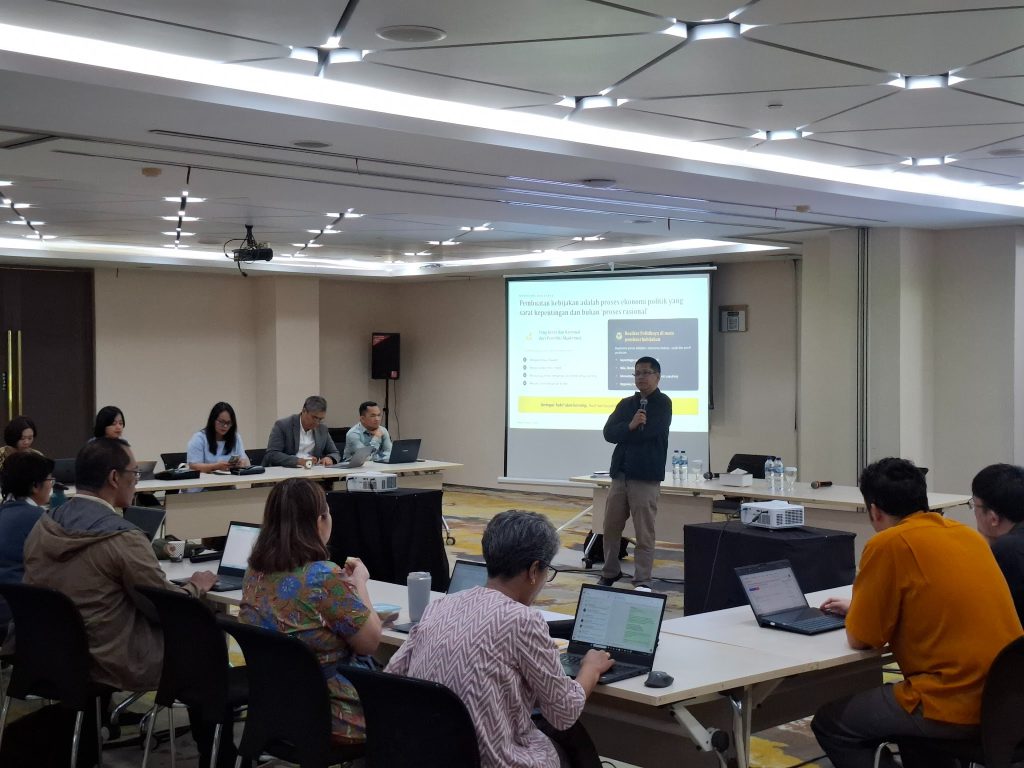
Jakarta – Atma Jaya Institute of Public Policy (AJIPP) menyelenggarakan Workshop Penulisan Policy Brief 2026 bertema “Mengubah Riset Menjadi Rekomendasi Kebijakan yang Berdampak” pada Selasa (4/8) di Ruang Y14, Kampus Semanggi, Jakarta. Kegiatan yang berlangsung pukul 09.00–16.00 WIB ini dirancang untuk membekali peserta dengan kemampuan menerjemahkan hasil riset menjadi rekomendasi kebijakan yang ringkas, berbasis bukti, dan dapat digunakan oleh para policy maker. Kegiatan ini menghadirkan dua pembicara yaitu Vidhyandika Djati Perkasa, PhD selaku Director of Research, CSIS dan Wijayanto Samirin, MPP selaku Senior Economic Adviser to Governor of Jakarta. Workshop dibuka dengan sambutan oleh Salvatore Simarmata selaku Direktur AJIPP dan dilanjutkan dengan empat sesi pembelajaran yang mengombinasikan pemaparan konsep, teknik penulisan, dan praktik penyusunan policy brief. Pada sesi pertama, Vidhyandika mengajak peserta memahami posisi policy brief sebagai jembatan antara dunia riset dan proses pengambilan kebijakan. Ia menjelaskan bahwa riset yang berkualitas belum tentu otomatis memengaruhi kebijakan karena adanya kesenjangan antara temuan ilmiah dan proses politik dalam perumusan kebijakan. Oleh karena itu, policy brief berperan menerjemahkan hasil penelitian menjadi pesan yang jelas, relevan, dan dapat ditindaklanjuti. “Keberhasilan sebuah riset tidak hanya diukur dari publikasi akademik, tetapi juga dari kemampuannya menghasilkan perubahan melalui kebijakan. Ringkasan kebijakan yang disampaikan pada saat yang tepat akan dapat mengubah kebijakan,” ujar Vidhyandika dalam penutupan materinya. Setelah jeda coffee break, sesi kedua hingga keempat dipandu oleh Wijayanto. Pada sesi sistematika policy brief, beliau menjelaskan bahwa penulisan policy brief harus menggunakan struktur yang dimulai dari rekomendasi utama kemudian diikuti penjelasan pendukung agar memudahkan pembuat kebijakan memahami inti persoalan dalam waktu singkat. Ia juga menguraikan komponen utama policy brief, mulai dari judul, ringkasan eksekutif, latar belakang, temuan, rekomendasi kebijakan, hingga referensi dan informasi penulis. Memasuki sesi ketiga, Wijayanto membahas teknik menyusun policy brief yang efektif dan berdampak. Peserta diajak memahami pentingnya menentukan isu yang relevan, mengenali target pembaca, memetakan aktor dan kepentingan yang terlibat, dan merancang rekomendasi kebijakan yang strategis. Selain kualitas substansi, ia juga menyampaikan strategi-strategi agar rekomendasi kebijakan dapat diterima dan memberi pengaruh terhadap proses pengambilan keputusan. Menurut Wijayanto, rekomendasi kebijakan yang baik idealnya memenuhi prinsip SMART (Specific, Measurable, Attainable, Relevant, dan Timely). Namun, ia mengingatkan bahwa dalam praktiknya, penulis juga perlu mempertimbangkan dinamika politik dan kepentingan para pemangku kepentingan sehingga rekomendasi dapat disampaikan secara efektif tanpa kehilangan substansi. “Policy brief harus objektif tetapi persuasif. Policy brief disusun berbasis bukti, mudah dipahami, dan ditulis untuk membantu pengambil kebijakan mengambil keputusan,” jelas Wijayanto. Pada sesi keempat, peserta diberi kesempatan menyusun draf policy brief berdasarkan isu yang dipilih. Setelah itu, beberapa peserta mempresentasikan hasil penulisannya di hadapan pembicara dan peserta lain untuk memperoleh umpan balik secara langsung. Diskusi berlangsung interaktif dengan berbagai saran terkait penyusunan urgensi masalah, penyajian data, hingga penyempurnaan rekomendasi kebijakan agar lebih tajam dan sesuai dengan kebutuhan audiens sasaran. Melalui workshop ini, AJIPP berharap semakin banyak akademisi, peneliti, mahasiswa, dan praktisi mampu menghasilkan policy brief yang mampu menjembatani hasil riset dengan kebutuhan para pengambil kebijakan. Dengan demikian, penelitian yang dihasilkan tidak berhenti sebagai publikasi ilmiah semata, melainkan dapat memberikan kontribusi nyata bagi penyusunan kebijakan publik yang lebih efektif dan berdampak.
Workshop Penulisan Policy Brief 2026: Mengubah Riset Menjadi Rekomendasi Kebijakan yang Berdampak
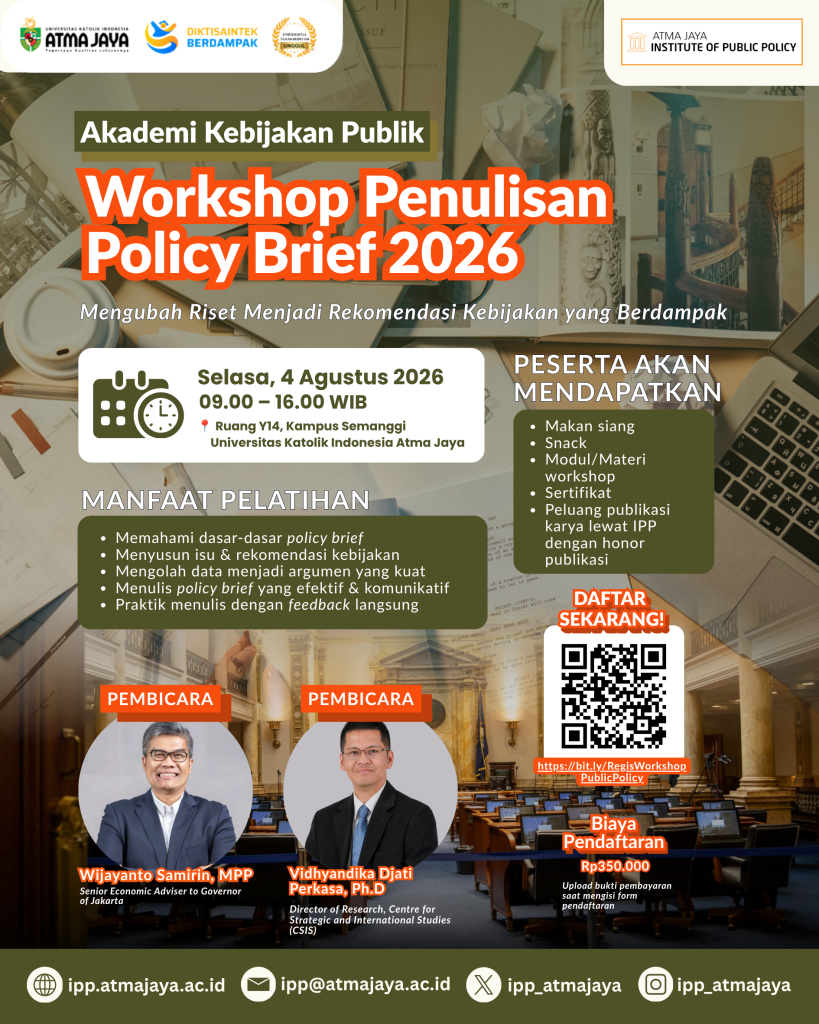
Atma Jaya Institute of Public Policy (AJIPP) membuka pendaftaran Workshop Penulisan Policy Brief 2026 dengan tema “Mengubah Riset Menjadi Rekomendasi Kebijakan yang Berdampak.” Kegiatan ini dirancang untuk membekali peserta dengan keterampilan menyusun policy brief yang ringkas, berbasis bukti, dan komunikatif sehingga hasil riset dapat menjadi rekomendasi yang relevan bagi pengambilan kebijakan. Workshop akan diselenggarakan pada: Hari/Tanggal: Selasa, 4 Agustus 2026Waktu: 09.00–16.00 WIBTempat: Ruang Y14, Kampus Semanggi, Universitas Katolik Indonesia Atma Jaya Kegiatan ini menghadirkan dua narasumber yang berpengalaman di bidang kebijakan publik, yaitu: Selama workshop, peserta akan mempelajari berbagai materi, antara lain: Biaya pendaftaran workshop adalah Rp350.000 untuk peserta umum, sedangkan dosen dan staf Universitas Katolik Indonesia Atma Jaya dapat mengikuti kegiatan ini tanpa dipungut biaya. Sebagai bentuk apresiasi, tiga policy brief terbaik akan berkesempatan dipublikasikan melalui website Atma Jaya Institute of Public Policy (AJIPP) serta memperoleh penghargaan dari penyelenggara. Pendaftaran dapat dilakukan melalui tautan berikut: https://bit.ly/RegisWorkshopPublicPolicy Mari tingkatkan kemampuan menyusun rekomendasi kebijakan berbasis bukti dan jadikan hasil riset Anda memberikan dampak yang lebih luas bagi masyarakat.
IPP Unika Atma Jaya Bahas Akses Kesejahteraan Sosial dalam Forum Semanggi #5: Mengapa Sebagian Warga Tetap Gigih Memperjuangkan Haknya?
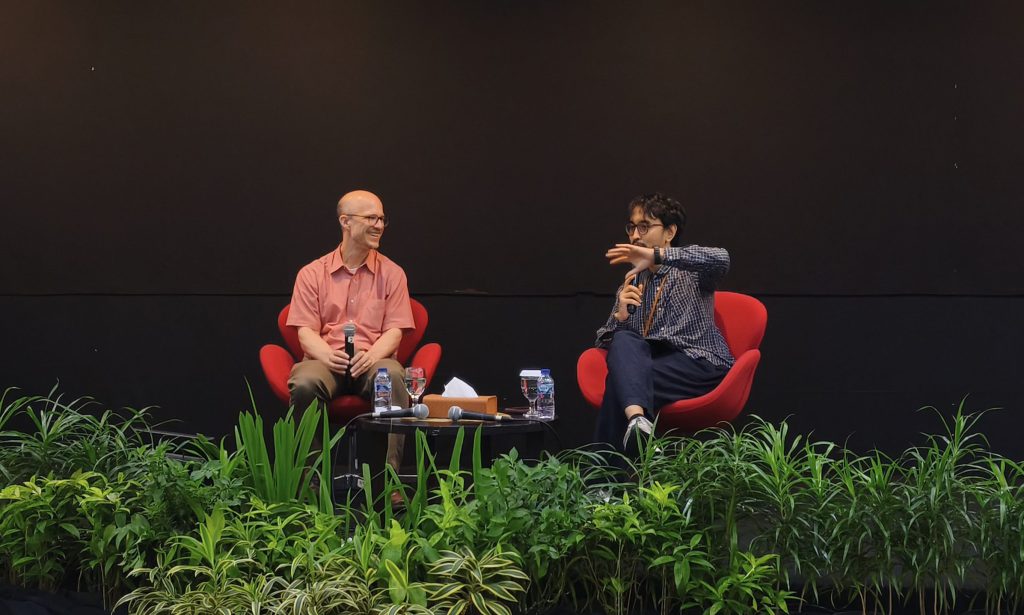
Jakarta, 9 Juni 2026 – Ada pertanyaan sederhana yang sebenarnya menyimpan kedalaman luar biasa: “Mengapa sebagian orang gigih memperjuangkan haknya, sementara yang lain menyerah di tengah jalan?”. Pertanyaan itu adalah benang merah diskusi dalam Forum Semanggi #5 yang digelar oleh Atma Jaya Institute of Public Policy (IPP) di Kampus Semanggi, Jakarta. Forum dihadiri oleh Prof. Matthew S. Winters dari Departemen Ilmu Politik, University of Illinois Urbana-Champaign sebagai pembicara dan dimoderatori oleh Indro Adinugroho, Ph.D. dari Fakultas Psikologi Universitas Katolik Indonesia Atma Jaya. Forum ini mengajak peserta untuk melihat bagaimana warga berhadapan dengan sistem kesejahteraan sosial, dari sudut pandang mereka yang harus mengantri, mengurus berkas, dan kadang pulang dengan tangan kosong. Prof. Winters membawa gagasan yang ia kembangkan bersama Rebecca Weitz-Shapiro dalam buku Persistent Citizens, yang berisi penelitian mendalam tentang persistensi masyarakat dalam mengakses kebijakan sosial di Brasil dan Argentina. Penelitian tersebut menunjukkan bahwa keberhasilan seseorang mengakses bantuan sosial bukan semata soal program yang tersedia, melainkan juga soal seberapa besar keyakinan bahwa ia berhak dan kegigihan memperjuangkannya. Kegigihan ini disebut sebagai state-centric persistence. Ada tiga faktor yang ditemukan paling menentukan state-centric persistence. Pertama, rasa percaya diri, apakah seseorang merasa mampu menavigasi birokrasi yang rumit. Kedua, kesadaran hak, apakah ia memandang bantuan sosial sebagai haknya sebagai warga negara, bukan sekadar “kebaikan hati” pemerintah. Ketiga, rasa geram yang produktif, dorongan untuk tidak menyerah meski dihadang prosedur yang berbelit. “Ketersediaan program tidak menjamin akses. Warga seringkali harus gigih menembus sistem untuk mendapatkan apa yang memang sudah menjadi hak mereka.” tegas Prof. Winters. Meski lahir dari riset di Amerika Latin, gagasan ini terasa begitu relevan di Indonesia. Indonesia punya banyak program seperti BPJS Kesehatan, PKH, KIP, dan berbagai bantuan sosial lainnya. Tapi siapa yang tidak pernah mendengar cerita tentang warga yang berhak menerima bantuan, namun gagal karena tak tahu caranya mendaftar, mengalami proses yang panjang, atau yang menyerah karena tak ada yang mendampingi? Diskusi ini membuka ruang untuk mengakui hambatan yang masih ada dalam kemudahan akses kebijakan sosial saat ini dan peran dari masyarakat untuk menjemput haknya. Forum ini juga menyentuh soal transformasi digital dalam layanan publik. Di satu sisi, digitalisasi membuka peluang, layanan lebih cepat, jangkauan lebih luas, namun dapat menjadi tembok baru yang mempersulit bagi mereka yang tidak melek teknologi. Keberhasilan kebijakan sosial tidak bisa diukur dari jumlah program atau besarnya anggaran. Yang lebih penting adalah apakah program itu benar-benar sampai ke tangan yang membutuhkan. Negara tidak bisa hanya mengandalkan kegigihan warganya. Prosedur perlu disederhanakan, literasi publik ditingkatkan, dan pendampingan perlu disediakan karena tidak semua orang punya tenaga, waktu, atau pengetahuan untuk memperjuangkan haknya sendirian. Forum Semanggi #5 menjadi pengingat bahwa kebijakan publik yang baik bukan hanya yang tertulis indah di atas kertas, tapi yang benar-benar bisa dijangkau oleh mereka yang paling membutuhkannya. Untuk informasi terkini ikuti akun resmi AJIPP: Instagram: @ipp_atmajayaX: @ipp_atmajayaLinkedIn: Atma Jaya Institute of Public PolicyWebsite: Atma Jaya Institute of Public Policy
IPP Unika Atma Jaya Hadirkan Forum Semanggi #4: Membaca Ulang Demokrasi Indonesia Lewat Lensa Oligarki
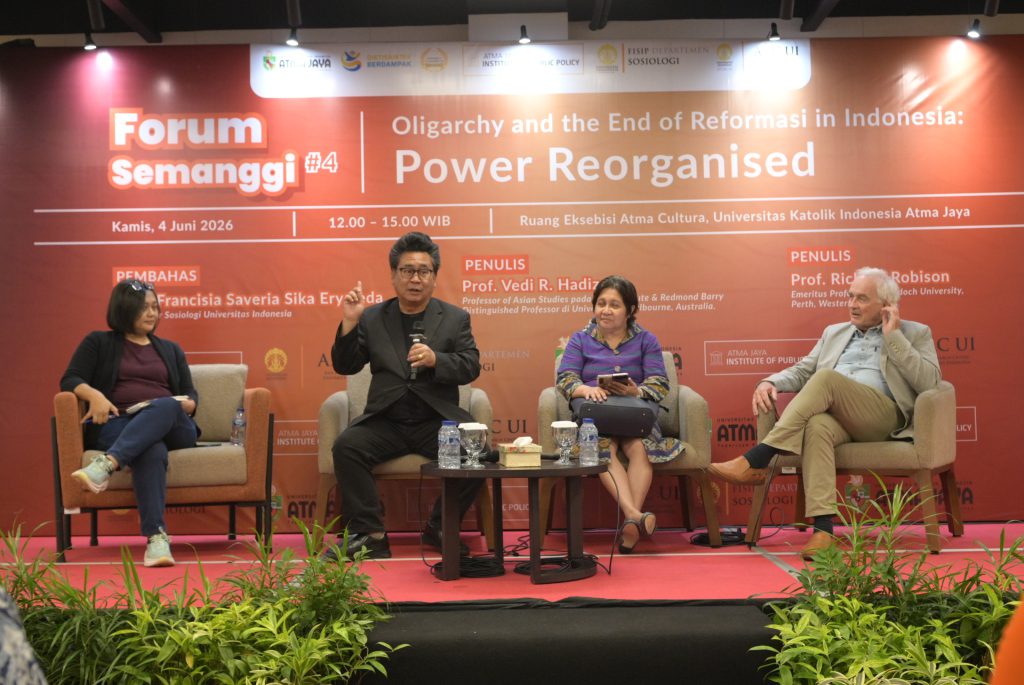
Jakarta, 4 Juni 2026 – Ruang Eksebisi ATMA Cultura, Kampus Semanggi, Kamis (5/6) menjadi titik temu gagasan yang hidup. Atma Jaya Institute of Public Policy (IPP) Unika Atma Jaya, bersama Departemen Sosiologi dan Asia Research Centre Universitas Indonesia (ARC UI), menggelar Forum Semanggi #4 dengan tema Oligarchy and the End of Reformasi in Indonesia: Power Reorganised. Acara ini merupakan sebuah undangan terbuka untuk merefleksikan perjalanan demokrasi Indonesia lebih dari dua dekade setelah Reformasi. Forum Semanggi adalah ruang dialog yang dibangun bersama oleh IPP Unika Atma Jaya, Departemen Sosiologi UI, dan ARC UI. Di sini akademisi, mahasiswa, praktisi, dan masyarakat umum bisa duduk bersama, bertukar pikiran, dan mempertajam pemahaman tentang demokrasi, politik, ekonomi politik, serta kebijakan publik Indonesia. “Forum ini kami hadirkan agar kita bisa melihat lebih jernih berbagai perkembangan yang terjadi. Dan dari sana, kita dapat memahami persoalan-persoalan publik dengan lebih baik,” ujar Direktur Eksekutif IPP Unika Atma Jaya, Salvatore Simarmata, S.Sos., M.A., Ph.D., saat membuka acara. Senada dengan itu, Ketua Departemen Sosiologi UI, Prof. Dr. Indera Ratna Irawati Pattinasarany, menyambut hangat kolaborasi ini sebagai bentuk nyata sinergi akademik lintas institusi. Forum kali ini menghadirkan dua nama besar dalam studi politik Asia Tenggara: Prof. Vedi R. Hadiz, Professor of Asian Studies sekaligus Redmond Barry Distinguished Professor di University of Melbourne, dan Prof. Richard Robison, Emeritus Professor Murdoch University. Keduanya adalah penulis dari buku yang menjadi bahan diskusi utama forum ini. Buku Oligarchy and the End of Reformasi in Indonesia merupakan pembaruan dari karya yang pertama kali terbit pada 2004. Selama dua dekade, Robison dan Hadiz terus memperdalam analisis mereka tentang bagaimana kekuasaan bekerja di Indonesia pasca-Orde Baru. “Buku ini adalah upaya untuk memperbarui analisis mengenai perubahan politik Indonesia dan berbagai dinamika yang terus berkembang setelah Reformasi,” jelas Prof. Hadiz. Salah satu poin penting yang disampaikan Prof. Vedi R. Hadiz adalah soal pemahaman yang lebih tepat tentang oligarki. Oligarki kerap disempitkan maknanya menjadi sekadar kumpulan orang kaya atau plutokrasi. Padahal, oligarki adalah struktur kekuasaan aliansi antara politisi, birokrat, dan pengusaha besar yang bekerja sama menguasai institusi publik dan sumber daya strategis. Ia juga mengingatkan bahaya pandangan yang mengidentikkan oligarki dengan kelompok etnis tertentu. Cara pandang seperti itu, menurutnya, tidak hanya mengaburkan gambaran sesungguhnya, tetapi juga berpotensi memperdalam polarisasi sosial. Setelah Reformasi 1998, para aktor oligarki tidak lenyap, mereka beradaptasi. Partai politik, pemilu, dan lembaga legislatif menjadi instrumen baru untuk mempertahankan pengaruh. Kekuasaan yang dulu terpusat kini menjadi lebih terfragmentasi ke dalam berbagai faksi yang saling bersaing. Prof. Robison mengajak peserta merefleksikan apa yang sesungguhnya terjadi sejak 1998. Perubahan institusional memang nyata, tetapi menurutnya perubahan itu tidak menyentuh akar formasi sosial elite politik dan ekonomi yang menjadi pusat kekuasaan. “Perubahan telah terjadi, namun sebagian capaian Reformasi yang bersifat institusional kemudian ditarik kembali dalam formasi oligarki yang teresentralisasi,” ungkapnya. Prof. Hadiz menambahkan bahwa kecenderungan resentralisasi kekuasaan kini semakin terasa dengan pembentukan berbagai lembaga strategis baru dan penguatan pola patronase yang lebih terpusat. Penggunaan instrumen seperti Proyek Strategis Nasional (PSN), menurutnya, perlu diiringi perhatian serius terhadap kepentingan komunitas lokal agar tidak memicu konflik yang kontraproduktif. Diskusi tidak berhenti pada diagnosis. Para narasumber juga berbicara tentang jalan ke depan. Prof. Hadiz menegaskan bahwa tantangan oligarki tidak bisa dijawab hanya dengan perbaikan teknis kelembagaan. Persoalannya bersifat struktural dan jawabannya perlu datang dari masyarakat itu sendiri: gerakan sosial yang kuat, terorganisasi, dan punya akar pada basis nyata seperti serikat buruh, organisasi petani, komunitas nelayan, dan kelompok warga yang terdampak kebijakan. Prof. Francisia Saveria Sika Ery Seda dari UI melengkapi diskusi dengan menekankan pentingnya konsistensi. Berbagai bentuk perlawanan yang muncul selama ini sering kali bersifat sporadis dan tidak terhubung satu sama lain. Agar efektif, gerakan-gerakan ini perlu dikonsolidasikan menjadi kekuatan sosial yang mampu mempengaruhi kebijakan secara berkelanjutan. Sesi tanya jawab berlangsung hangat. Peserta mengangkat berbagai pertanyaan kritis, mulai dari peran NGO, relevansi gerakan sosial kontemporer, hingga pertanyaan yang justru memancing refleksi lebih dalam: apakah Indonesia justru membutuhkan oligarki untuk menjaga stabilitas? Prof. Hadiz menjawab dengan tegas namun terbuka: kebutuhan akan kepemimpinan yang kuat tidak sama dengan kebutuhan akan oligarki. Demokrasi yang sehat justru menuntut institusi yang bekerja untuk semua, bukan hanya untuk segelintir elite. Melalui Forum Semanggi #4, IPP Unika Atma Jaya, Departemen Sosiologi UI, dan ARC UI menegaskan kembali komitmen mereka: menghadirkan ruang dialog yang inklusif, kritis, dan konstruktif, karena memahami tantangan adalah langkah pertama menuju perubahan yang bermakna.
Workshop Menulis Artikel Opini: Mendorong Partisipasi Publik melalui Tulisan Kritis dan Berbasis Data
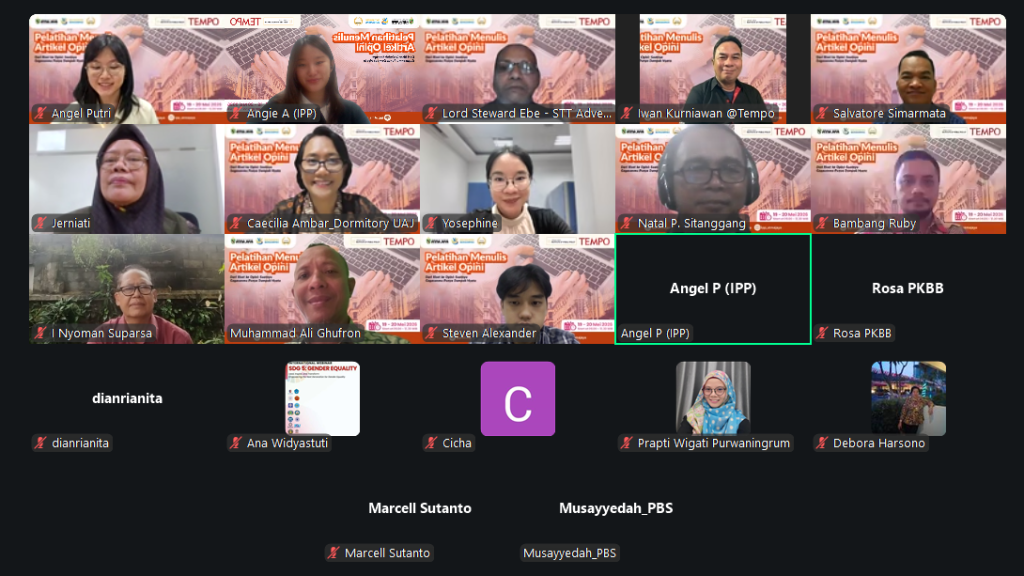
JAKARTA, 20 Mei 2026 – Pada 19-20 Mei 2026, Atma Jaya Institute of Public Policy (AJIPP) menyelenggarakan Workshop Menulis Artikel Opini secara daring melalui Zoom yang dihadiri oleh komunitas akademisi dari berbagai daerah Indonesia. Kegiatan ini bertujuan meningkatkan kemampuan mahasiswa, dosen, dan masyarakat umum dalam menulis artikel opini yang argumentatif, komunikatif, dan relevan dengan isu-isu publik kontemporer. Workshop ini menghadirkan Iwan Kurniawan, Redaktur Pelaksana Tempo, serta Salvatore Simarmata, Direktur AJIPP dan dosen Universitas Katolik Indonesia Atma Jaya, sebagai narasumber. Kegiatan hari pertama dibuka dengan pemaparan dari Iwan Kurniawan mengenai strategi menulis artikel opini yang layak dipublikasikan di media massa. Ia menjelaskan pentingnya menentukan sudut pandang yang kuat, membangun argumen yang runtut, serta menggunakan data dan fakta sebagai dasar tulisan opini. Peserta juga mendapat gambaran mengenai proses editorial di media, termasuk berbagai kesalahan umum yang kerap ditemukan dalam tulisan opini. Pada sesi berikutnya, Salvatore Simarmata membagikan pengalaman dan refleksinya dalam menulis serta mempublikasikan artikel opini di berbagai media nasional. Ia menekankan bahwa artikel opini tidak hanya menjadi ruang untuk menyampaikan pendapat, tetapi juga dapat berfungsi sebagai medium intervensi gagasan di ruang publik. Menurutnya, keterlibatan akademisi dalam penulisan opini penting untuk memperkuat diskursus publik yang berbasis pengetahuan sekaligus mendorong kebijakan yang lebih reflektif terhadap persoalan masyarakat. Workshop hari pertama diisi dengan sesi pemaparan konsep dasar yang kemudian dilanjutkan dengan pembedahan draf tulisan peserta yang telah dikumpulkan pada saat pendaftaran. Sejumlah tulisan dipilih untuk dibahas langsung oleh narasumber guna memberikan gambaran tentang kekuatan argumentasi, struktur penulisan, penggunaan data, hingga aspek teknis dalam artikel opini. Sesi ini menjadi ruang pembelajaran bersama yang membantu peserta memahami proses revisi dan penyempurnaan tulisan secara lebih praktis. Kegiatan berlanjut pada hari kedua melalui sesi umpan balik atas tulisan akhir bersama Iwan Kurniawan. Dalam sesi ini, peserta menerima kritik dan saran konstruktif terhadap tulisan yang telah dibuat. Diskusi berlangsung interaktif dengan beragam tanggapan terkait ketajaman ide, relevansi isu, kebebasan beropini, serta cara menyusun opini yang mampu menarik perhatian pembaca tanpa mengurangi kedalaman analisis. Workshop ini menyoroti pentingnya membangun budaya menulis di lingkungan akademik maupun masyarakat luas. Selain menjadi sarana berbagi gagasan, artikel opini dinilai mampu memperluas partisipasi publik dalam menanggapi persoalan sosial, ekonomi, dan politik secara lebih kritis dan konstruktif. Melalui kegiatan ini, AJIPP berharap semakin banyak akademisi dan generasi muda terlibat aktif dalam produksi pengetahuan serta diskursus kebijakan publik melalui media tulisan. Sebagai penutup, workshop ini menegaskan bahwa kemampuan menulis opini merupakan bagian penting dari upaya membangun ruang publik yang sehat, demokratis, dan berbasis argumentasi. Kegiatan ini diharapkan menjadi langkah awal untuk mendorong lahirnya lebih banyak tulisan kritis yang dapat berkontribusi pada perkembangan masyarakat dan kebijakan publik di Indonesia. Melalui kegiatan ini, AJIPP berharap semakin banyak akademisi dan generasi muda terlibat aktif dalam produksi pengetahuan serta diskursus kebijakan publik melalui media tulisan. Untuk informasi terkini ikuti akun resmi AJIPP: Instagram: @ipp_atmajayaX: @ipp_atmajayaLinkedIn: Atma Jaya Institute of Public PolicyWebsite: Atma Jaya Institute of Public Policy
Forum Semanggi #3 Diskusi Buku: Era Kebangkitan Kembali Otoritarianisme di Indonesia, Dasawarsa Kepemimpinan Jokowi
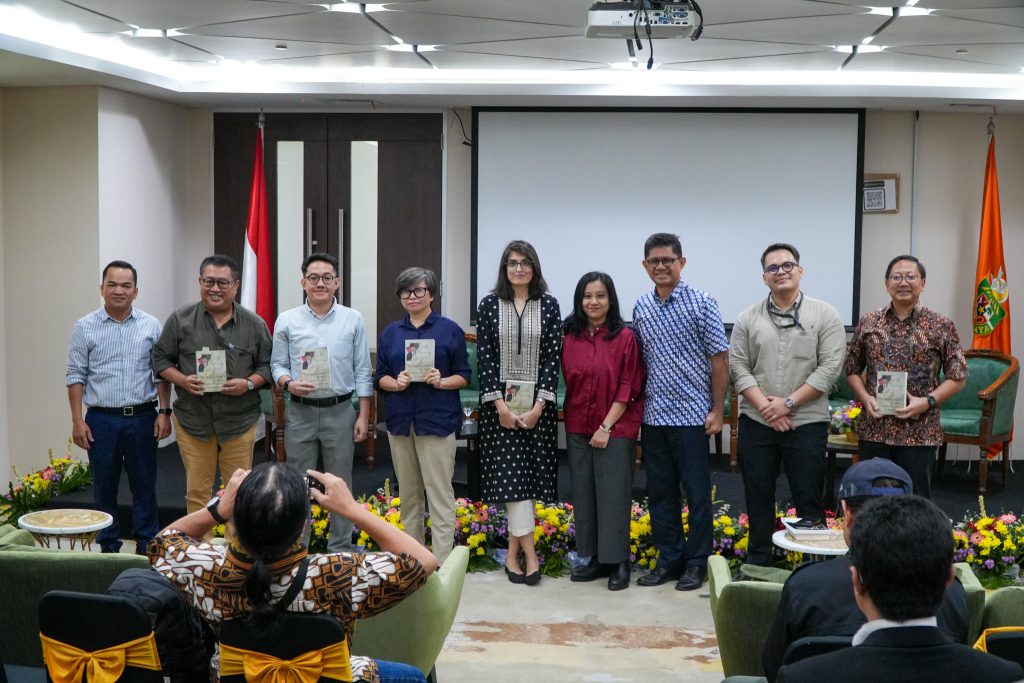
JAKARTA, 20 April 2026 – Forum Semanggi kembali menghadirkan ruang diskusi kritis melalui kegiatan Diskusi Buku bertajuk “Dasawarsa Kepemimpinan Jokowi: Era Kebangkitan Kembali Otoritarianisme di Indonesia.” Diskusi diawali dengan argumen utama bahwa terdapat kecenderungan menguatnya praktik otoritarianisme dalam periode kepemimpinan Presiden ke-7 Republik Indonesia. Menanggapi hal tersebut, Laode M. Syarif memaparkan bahwa meskipun periode pertama pemerintahan dinilai cukup baik, periode kedua menunjukkan munculnya kebijakan yang lebih kontroversial, seperti UU KPK dan UU Cipta Kerja. Beliau menyoroti adanya peningkatan daya rusak kebijakan yang tercermin dari indeks persepsi korupsi yang stagnan di kisaran 37-40. Selanjutnya, Dr. Sana menambahkan bawah terdapat pergeseran prioritas kebijakan dari kepentingan publik menuju kepentingan politik yang lebih sempit. Beliau menilai bahwa praktik otoritarianisme tidak muncul secara tiba-tiba, melainkan melalui pelemahan institusi secara bertahap. Dalam konteks ini, beliau menekankan pentingnya peran mahasiswa sebagai agen perubahan dalam menjaga dan mendemokratisasi masa depan Indonesia Pandangan lain disampaikan Evi Mariani yang menyoroti perubahan persepsi terhadap kepemimpinan Jokowi di periode akhir, serta meningkatnya penggunaan UU ITE sebagai instrumen kontrol. Beliau juga mengkritisi pembangunan Ibu Kota Nusantara (IKN) sebagai proyek yang sarat kepentingan, serta menilai adanya kesinambungan kekuasaan yang membuka jalan bagi kepemimpinan selanjutnya. Sementara itu, Andina Dwifatma menekankan pentingnya memahami konteks kemunculan Jokowi sebagai figur harapan masyarakat,sekaligus menyoroti kemampuan dalam membangun citra politik. Beliau menilai buku yang didiskusikan memiliki kekuatan pada basis data dan rekam jejak, serta menegaskan pentingnya pendidikan politik bagi masyarakat. Sementara itu, Delpedro membagikan perspektif sebagai generasi muda yang tumbuh di era tersebut, termasuk pengalaman aktivisme mahasiswa dan tantangan terhadap kebebasan. Diskusi semakin diperkaya melalui sesi tanya jawab yang mengangkat berbagai isu, mulai dari faktor perubahan kepemimpinan, peran media dalam membentuk persepsi publik, hingga posisi generasi muda dalam menghadapi dinamika politik saat ini. Salah satu poin yang mengemuka adalah bahwa perubahan kepemimpinan tidak semata-mata bersifat personal, melainkan berkaitan dengan strategi politik dan struktur kekuasaan yang lebih luas. Sebagai penutup, forum menegaskan pentingnya membaca fenomena politik secara utuh dan berbasis data, bukan hanya melalui potongan informasi yang parsial. Selain itu, distribusi gagasan melalui media sosial juga dipandang sebagai langkah strategis dalam memperluas diskursus publik. Diskusi ini menjadi pengingat bahwa pemahaman kritis dan partisipasi aktif masyarakat, khususnya generasi muda, merupakan elemen penting dalam menjaga kualitas demokrasi Indonesia. Forum Semanggi dijelaskan oleh Salvatore Simarmata dalam pembukaan diskusi merupakan ruang untuk membuka imajinasi dan diskusi kritis di lingkungan kampus. Beliau menyampaikan bahwa kampus seharusnya menjadi ruang bebas untuk bertanya, berpikir, dan membayangkan arah masa depan bangsa, terlebih di tengah kemunduran demokrasi sekarang ini. Diskusi buku ini merupakan hasil kerjasama IPP dan PUSAD Paramadina. Mewakili PUSAD Paramadina, Ihsan Ali-Fauzi menambahkan bahwa forum ini juga memiliki peran dalam mendukung produksi pengetahuan, termasuk melalui pendanaan penerbitan buku. Untuk informasi terkini ikuti akun resmi AJIPP: Instagram: @ipp_atmajaya X: @ipp_atmajaya LinkedIn: Atma Jaya Institute of Public Policy Website: https://ipp.atmajaya.ac.id/
Policy Dialogue: Stabilitas Ekonomi Indonesia di Mata Pemeringkat Global
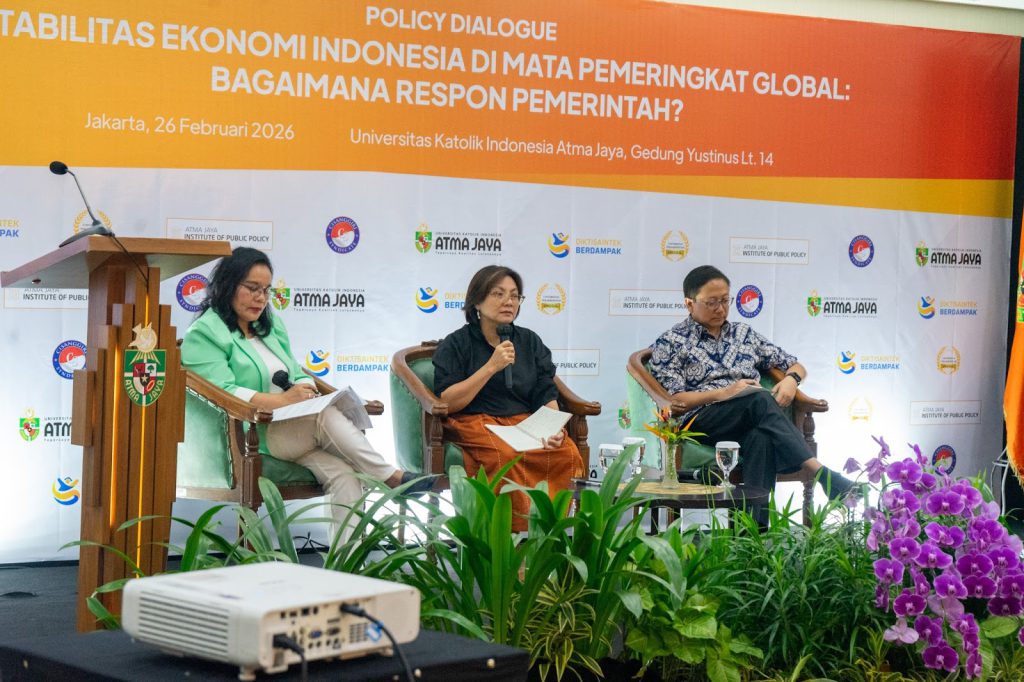
JAKARTA, 26 Februari 2026 – Atma Jaya Institute of Public Policy (AJIPP) menyelenggarakan Policy Dialogue bersama Cisanggiri Syndicate yang mengangkat judul “Stabilitas Ekonomi Indonesia di Mata Pemeringkat Global: Bagaimana Respon Pemerintah?” Diskusi ini diawali Denni Purbasari, S.E., M.Sc., Ph.D. sebagai pembicara pertama yang menegaskan pentingnya peran MSCI dalam memengaruhi arah investasi global. MSCI membuat analisis dan indeks saham yang menjadi acuan investor di seluruh dunia, atau sebagai “kompas” bagi investor global untuk menentukan arah penanaman modal. Denni Purbasari, S.E., M.Sc., Ph.D. menegaskan bahwa saham yang masuk kedalam indeks MSCI tidak dipilih sembarangan, melainkan melalui evaluasi mendalam atas kualitas fundamental dan tata kelola perusahaan. Evaluasi tersebut juga dilakukan secara berkala, sehingga perusahaan dituntut untuk menjaga transparansi dan kinerja agar tetap memenuhi standar global. Lebih lanjut, ia menggambarkan keputusan lembaga pemeringkat sebagai “puncak gunung es”. Keputusan dari lembaga pemeringkat global seringkali terlihat kecil tetapi dampak dibaliknya bisa sangat besar, bahkan dapat membuat harga obligasi menurun dan nilai tukar rupiah melemah. Tantangan di Indonesia sendiri adalah lembaga publik yang belum kuat dan aturan yang ambigu, sehingga membuat investor ragu akan kredibilitas institusi publik. Selanjutnya, pembicara kedua Dr. Agustinus Prasetyantoko memaparkan isu paradoks dalam perekonomian Indonesia, terutama mengenai perbedaan realitas pasar yang seringkali berbeda dengan angka dan data resmi. Salah satu isu utama yang diangkat adalah pembekuan yang sempat dilakukan MSCI untuk saham Indonesia pada Februari 2026 akibat kekhawatiran transparansi data free float dan struktur kepemilikan. Hal ini karena meskipun saham publik tergolong tinggi sebesar 35%, likuiditasnya rendah. Kondisi ini memunculkan dugaan adanya orchestrated trading behavior atau praktik “saham gorengan” yang membuat indeks tampak meningkat, sementara fundamental emiten relatif lemah. Selain itu, Moody’s juga mengubah outlook (pandangan) Indonesia dari “stabil” menjadi “negatif” akibat penurunan prediktabilitas kebijakan dan tata kelola negara, serta tanda-tanda pemerintahan yang lemah. Kedua lembaga ini menyampaikan indikasi bahwa data pertumbuhan ekonomi yang dilaporkan baik saat ini tampaknya tidak sesuai dengan realitanya. MSCI dan Moody’s tidak sepenuhnya percaya pada data resmi, sehingga investor global sulit memprediksi pasar Indonesia. Dr. Agustinus Prasetyantoko menekankan bahwa akselerasi pertumbuhan ekonomi diperlukan untuk mengatasi paradoks perekonomian Indonesia. Terlepas menggunakan kekuatan pasar atau negara, akuntabilitas dari kebijakan pemerintah menjadi hal utama yang perlu ditingkatkan. Diskusi ini dilanjutkan dengan sesi tanya jawab yang dipandu oleh moderator Prof. Rosdiana Sijabat S.E., M.Si, Ph.D. Sesi tanya jawab membahas pemulihan dan penguatan stabilitas ekonomi nasional. Dalam tanggapannya terhadap salah satu penanya, Dr. Agustinus Prasetyantoko menyampaikan bahwa peningkatan penerimaan negara menjadi kunci untuk mendorong pertumbuhan berkelanjutan. Selain melalui efisiensi dan pengelolaan utang yang hati-hati, belanja sosial perlu dirancang secara strategis agar mampu menciptakan dampak ekonomi dan menghasilkan revenue multiplier. Denni Purbasari, S.E., M.Sc., Ph.D menambahkan bahwa transparansi merupakan langkah awal menuju tata kelola yang baik. Salah satu upaya konkret adalah memastikan keterbukaan data pengeluaran pemerintah, mulai dari tingkat pusat hingga desa, agar dapat diakses publik. Masyarakat pun didorong untuk berperan aktif dalam menuntut transparansi dan akuntabilitas, sebagai bagian dari penguatan demokrasi ekonomi Indonesia. Untuk informasi terkini ikuti akun resmi AJIPP:Instagram: @ipp_atmajayaX: @ipp_atmajayaLinkedIn: Atma Jaya Institute of Public PolicyWebsite: https://ipp.atmajaya.ac.id/
Presentasi dan Diskusi Proposal Riset Kolaboratif 2026
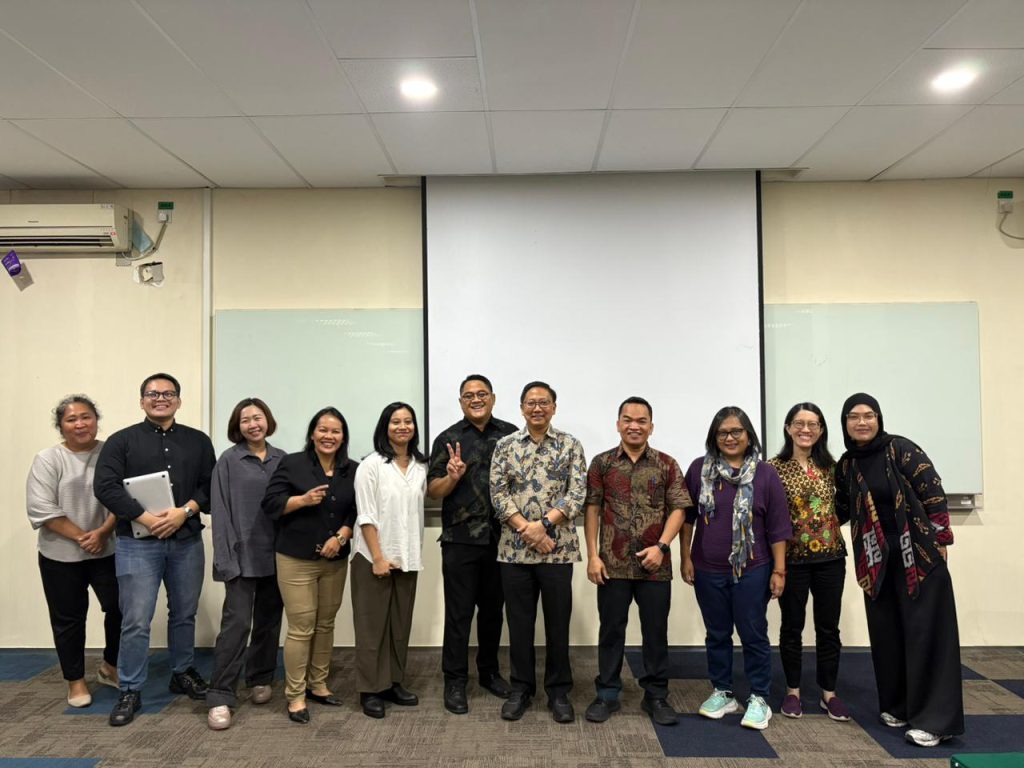
JAKARTA, 30 Januari 2026 – Mengawali tahun dengan semangat kolaborasi, Atma Jaya Institute of Public Policy (AJIPP) menyelenggarakan acara Ramah Tamah awal tahun sekaligus diskusi intensif proposal riset kolaboratif bersama jejaring peneliti dan IPP Fellows. Pertemuan ini menjadi momentum penting bagi AJIPP untuk memperkuat visi sebagai ekosistem riset dan kebijakan publik yang inklusif dan progresif. Sesi bedah proposal dibuka oleh Prof. Rosdiana Sijabat yang memaparkan rencana penyusunan policy brief terkait elektrifikasi armada logistik perkotaan. Diskusi ini berkembang dinamis dengan adanya masukan untuk memperluas subjek penelitian ke kendaraan roda dua melalui potensi kolaborasi dengan startup seperti Dash Electric. Adapun saran agar riset ini menyentuh aspek antropologi, khususnya mengenai sisi kesehatan dan keuangan pengemudi ojek daring, serta mempertimbangkan ekosistem regulasi energi yang saat ini masih cenderung bersifat supply-driven. Selanjutnya, perhatian beralih pada riset mengenai persepsi Gen Z terhadap institusi TNI yang telah dirumuskan oleh Andina Dwifatma, Ph.D bersama dengan tim. Penelitian ini berangkat dari fenomena menarik di mana Gen Z menjadi faktor pendukung signifikan dalam peta politik terbaru dan cenderung melihat militer sebagai opsi karier yang stabil. Para penanggap menekankan pentingnya menjustifikasi demografi Gen Z yang tidak menempuh bangku kuliah serta meninjau sejauh mana arus informasi digital mempengaruhi kepercayaan mereka terhadap institusi keamanan di tengah menurunnya indeks demokrasi. Isu keterlibatan akademisi dalam pemerintahan diangkat oleh Salvatore Simarmata, Ph.D., yang mengevaluasi sejauh mana dosen Indonesia terlibat dalam penyusunan kebijakan berbasis bukti (evidence-based policy). Dalam diskusi ini, muncul kritik membangun agar riset ini mampu memotret apakah peran akademisi benar-benar menjadi dasar kebijakan atau sekadar instrumen untuk memvalidasi apa yang diinginkan pembuat kebijakan. Sebagai penutup sesi bedah proposal, dr. Angela Kurnia, Ph.D. mengangkat tantangan yang dihadapi klinik misi Katolik dalam menjangkau wilayah pinggiran melalui kebijakan nasional. Langkah ini diambil agar tujuan utama AJIPP dalam mengevaluasi kebijakan publik tetap terlaksana, sekaligus memastikan bahwa riset yang dihasilkan memiliki kebermanfaatan nyata bagi pelayanan kesehatan di daerah terpencil. Pertemuan ini ditutup dengan komitmen kuat untuk mentransformasi ide-ide riset tersebut menjadi langkah nyata yang berdampak bagi publik, sekaligus memperteguh peran AJIPP sebagai wadah dan ekosistem sinergi bagi para akademisi dan praktisi. Dengan semangat kolaborasi awal tahun, AJIPP akan terus menindaklanjuti masukan strategis dari para fellows dan memperluas jejaring kemitraan riset dan publikasi guna memastikan setiap kebijakan yang dihasilkan benar-benar berbasis bukti yang akurat dan relevan. Untuk informasi terkini ikuti akun resmi AJIPP:Instagram: @ipp_atmajayaX: @ipp_atmajayaLinkedIn: Atma Jaya Institute of Public PolicyWebsite: https://ipp.atmajaya.ac.id/
AJIPP, Ford Foundation, dan IIA Eksplorasi Potensi Rekening Dormant untuk Pendanaan Berdampak
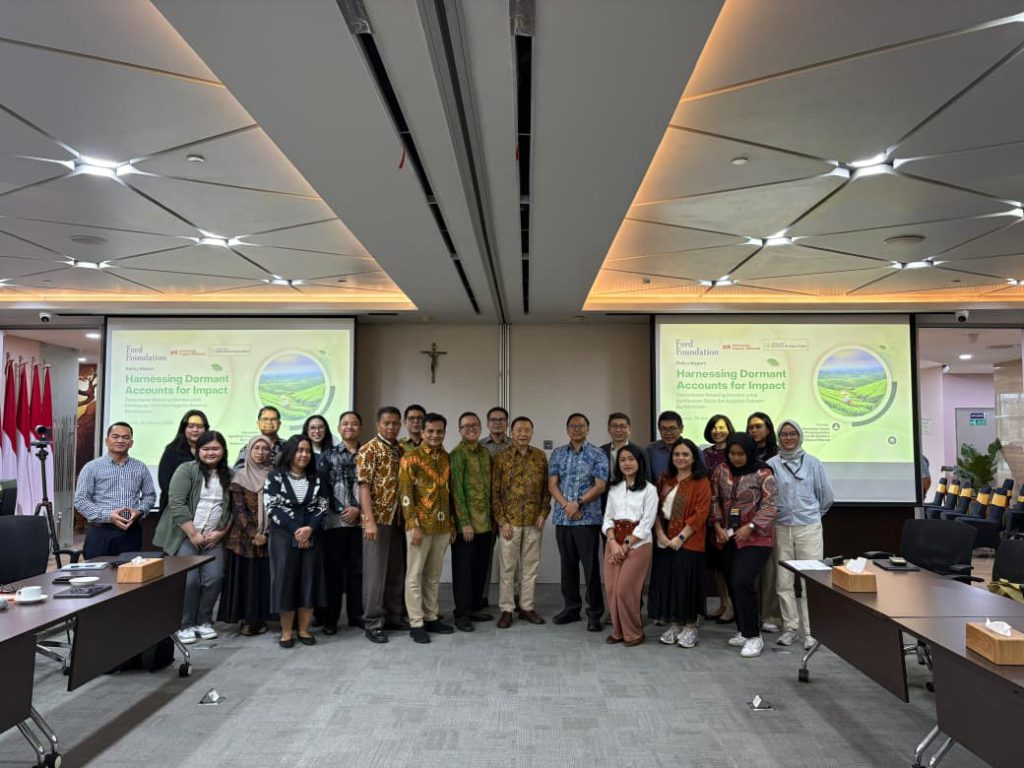
Senin, 26 Januari 2026 – Atma Jaya Institute of Public Policy (AJIPP), bersama dengan Ford Foundation dan Indonesia Impact Alliance (IIA), telah melangsungkan diskusi roundtable bertajuk “Harnessing Dormant Accounts for Impact”. Forum ini membahas potensi besar pemanfaatan rekening pasif (dormant accounts) di Indonesia untuk dikelola secara produktif bagi kepentingan publik dan investasi sosial. Diskusi dibuka oleh Alexander Irwan dari Ford Foundation yang menekankan pentingnya riset dalam mengadvokasi kebijakan rekening pasif agar hak-hak nasabah tetap terlindungi. Menindaklanjuti hal tersebut, Romora Edward Sitorus memaparkan hasil penelitian di 19 negara yang menunjukkan bahwa negara seperti Inggris dan Jepang telah sukses mengalihkan dana pasif untuk kepentingan sosial setelah jangka waktu 10 hingga 15 tahun tanpa menghilangkan hak klaim nasabah. Sementara di Indonesia, rekening pasif masih rentan terhadap penyalahgunaan kriminal seperti judi online, dan meskipun regulasi manajemen dasar sudah tersedia, pemanfaatan di tahap kustodian serta impact investing masih belum terjamah sepenuhnya. Masataka UO (Vice Chair GSG Japan dan CEO, Japan Fundraising Association) turut membagikan pengalaman Jepang dalam mengelola inisiatif keuangan berbasis dampak. Beliau menjelaskan bahwa pemanfaatan rekening bank pasif di Jepang kini terus tumbuh dan meluas sebagai bagian dari inisiatif finansial berbasis dampak. Dalam sesi tanggapan, para panelis memberikan catatan kritis terkait langkah strategis ke depan, di mana Setyo Budiantoro menekankan pentingnya aspek leverage dan pengelolaan profesional yang berbasis pada perlindungan konsumen serta transparansi tata kelola. Sejalan dengan itu, Indra Darmawan menyoroti tantangan rendahnya literasi publik yang masih mengasosiasikan rekening pasif dengan tindakan kriminal, sehingga diperlukan advokasi praktis ke OJK untuk mendukung penguatan POJK Nomor 24. Sementara itu, A. Prasetyantoko mengusulkan pemanfaatan celah regulasi pada UU P2SK Pasal 223 dan 224 mengenai Keuangan Berkelanjutan, di mana rekening pasif dapat diajukan sebagai instrumen dalam konsep blinded finance di bawah koordinasi Komite Keuangan Berkelanjutan. Diskusi yang dimoderatori oleh Benedikta Atika (IIA) ini menyepakati bahwa pemanfaatan dormant account adalah ide besar yang memerlukan narasi komunikasi yang kuat untuk menjawab kekhawatiran publik. Sebagai langkah nyata, dari kolaborasi ini terbentuk komitmen untuk mengawal isu rekening pasif agar tidak hanya berhenti di meja diskusi. AJIPP bersama mitra akan berperan sebagai jembatan bagi pemerintah dalam menyusun skema teknis yang lebih memihak masyarakat. Fokus utamanya adalah merancang proyek-proyek sosial berjangka pendek agar manfaat dari dana pasif ini bisa segera dirasakan langsung dampaknya, sekaligus memastikan bahwa sistem yang dibangun tetap aman, transparan, dan terpercaya. Untuk informasi terkini ikuti akun resmi AJIPP:Instagram: @ipp_atmajayaX: @ipp_atmajayaLinkedIn: Atma Jaya Institute of Public PolicyWebsite: https://ipp.atmajaya.ac.id/